Underlayment: The Layer That Actually Keeps You Dry
If there's one part of your roof homeowners should care about and almost never do, it's the underlayment. The tile or shingle on top gets all the attention, but the underlayment is the layer doing the real waterproofing. Water gets past the outer covering more often than you'd think — wind-driven rain, water wicking under tiles, the spots around vents — and when it does, the underlayment is what stands between that water and your decking.
There are a few types you'll run into. The old standard was felt (you'll hear "15-pound" or "30-pound felt"). It works, but it's the bottom of the barrel and it doesn't hold up to Florida heat and sun the way newer products do.
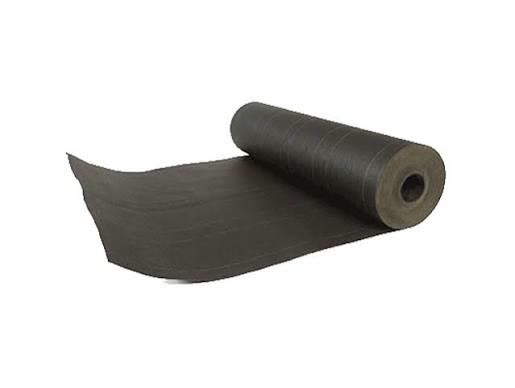
Synthetic underlayment is the modern upgrade — stronger, lighter, more tear-resistant, and it handles UV and heat far better than felt.
The best protection is self-adhered (also called peel-and-stick) underlayment. It bonds directly to the decking, and because it's self-sealing, it grips around the nails or screws that penetrate it, which dramatically cuts down on leaks. In a state that takes hurricanes seriously, this matters.
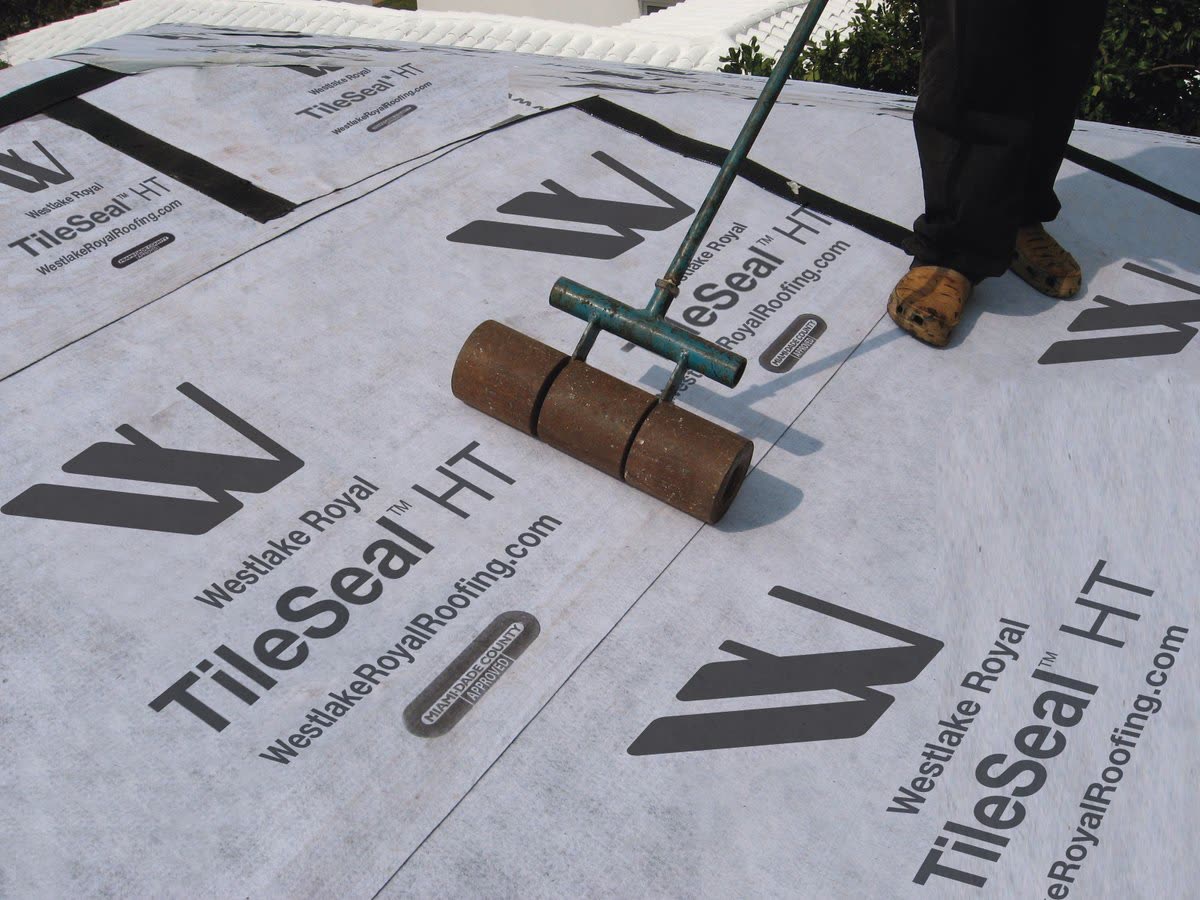
When you're comparing two estimates, find the underlayment line on each one. If one bid uses felt and the other uses a self-adhered system, those are not the same roof — even if everything above the underlayment is identical. A roofer trying to win on price will quietly spec the cheapest underlayment they can, because they know you're looking at the brand of tile, not the layer you'll never see. Don't let the part you can't see be the part you ignore.