Roof Ventilation: The Part That Quietly Makes Your Roof Last
Here's a part of your roof nobody shops on and almost nobody asks about — and it quietly decides how long your roof lasts and how high your attic runs in the Florida heat. It's ventilation.
A roof isn't supposed to be sealed up tight. It's supposed to breathe. The idea is simple: cool air comes in low, hot air escapes high, and air moves through your attic continuously. When that's working, you get a cooler attic, less moisture, and a roof that lives out its full lifespan. When it's not, heat and humidity get trapped up there and cook your roof from the underside — shortening its life, and in bad cases growing mold and rotting decking.
It works as a pair:
Intake comes in low, usually through vents in the soffits (the underside of your eaves).
Exhaust goes out high, near the ridge — through ridge vents or, very commonly on Florida tile roofs, off-ridge vents.
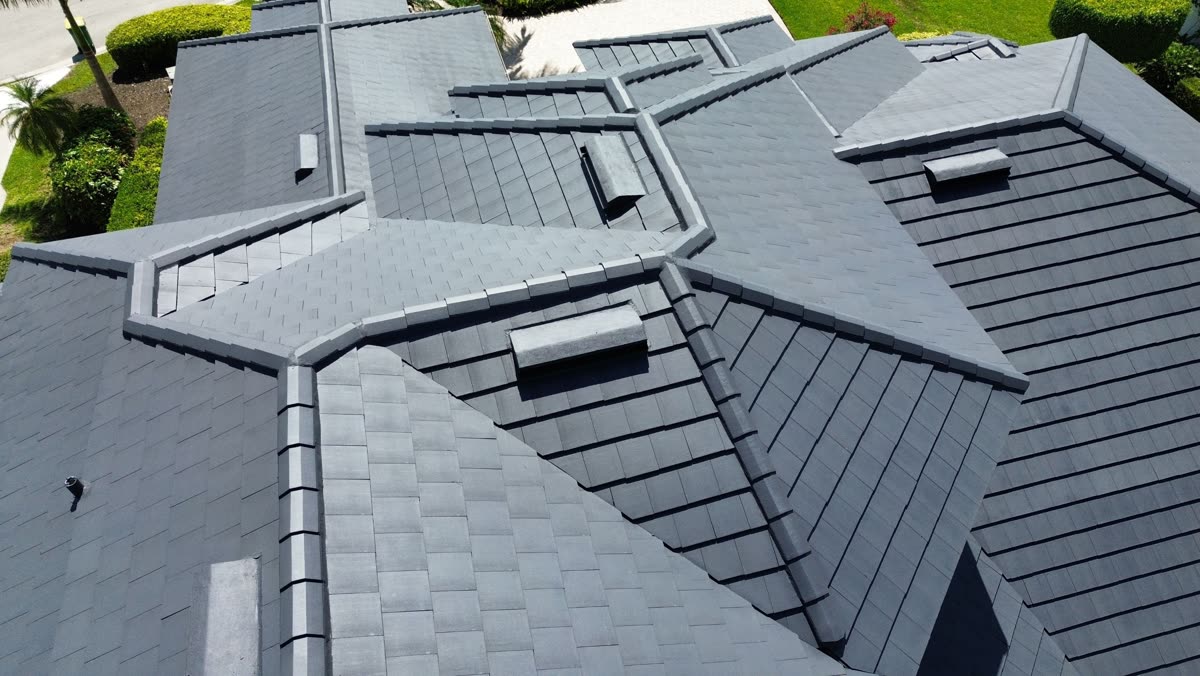
The key word is balance. You need both, roughly matched. All exhaust and no intake (or vice versa) doesn't move air the way it should. A lot of ventilation problems are really balance problems.
There's a Florida-specific wrinkle worth knowing if you have tile. Those off-ridge vents are necessary, but they're also a known spot where wind-driven water gets under the tile — which is exactly why how your roof is built around them matters so much (this ties straight into the screw-set vs. adhesive article). A vent does its job for airflow and becomes a liability for water if the details around it are rushed.
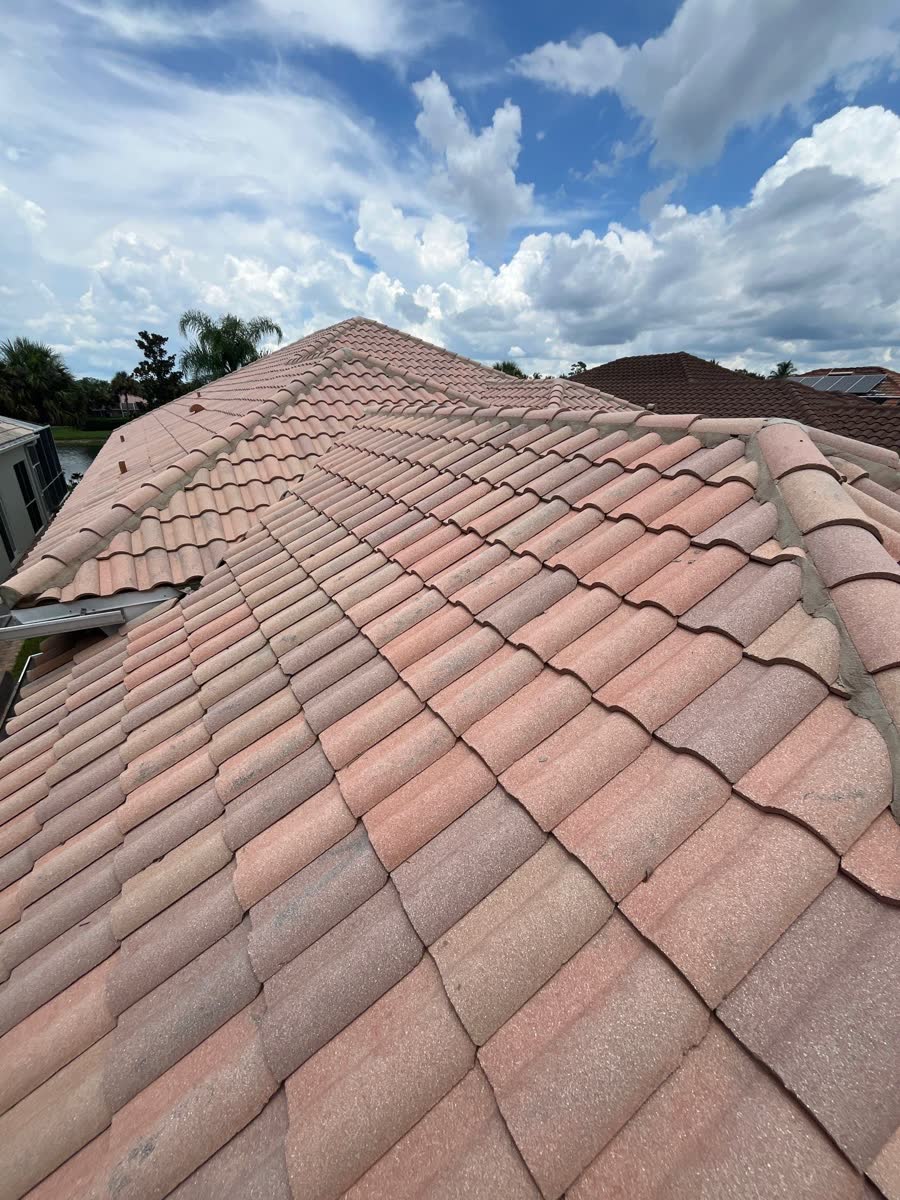
Most of the time you won't see ventilation in a photo of a finished roof, and it rarely shows up as a headline on an estimate. But it's worth one question when you're shopping: how are you handling attic ventilation, and is the intake and exhaust balanced? The contractors who have a real answer are usually the ones thinking about your roof lasting, not just getting installed.